A book for parents of young children
A screen cannot take a turn.
Babies learn to talk by taking turns with a person who answers them. Virtual Autism explains what the research on screens and the youngest children really shows, where it falls short, and what families can do at home.
Paperback, hardcover and ebook. 342 pages, with charts, notes, references and an index.
- 342 pages
- 400+ references, limits stated
- 40+ countries and territories
- 3 formats
Plain words first
What “virtual autism” means, and what it doesn’t
A phrase, not a diagnosis
Parents use it for autism-like signs some toddlers show after very heavy screen use. No diagnostic manual includes it.
Screens do not cause autism
Autism is a lifelong, highly heritable difference. No study has shown that screens cause it, and no parent is to blame.
The question is real
Large studies link heavy early screen time with later concerns. They cannot show cause, and the book says so plainly.
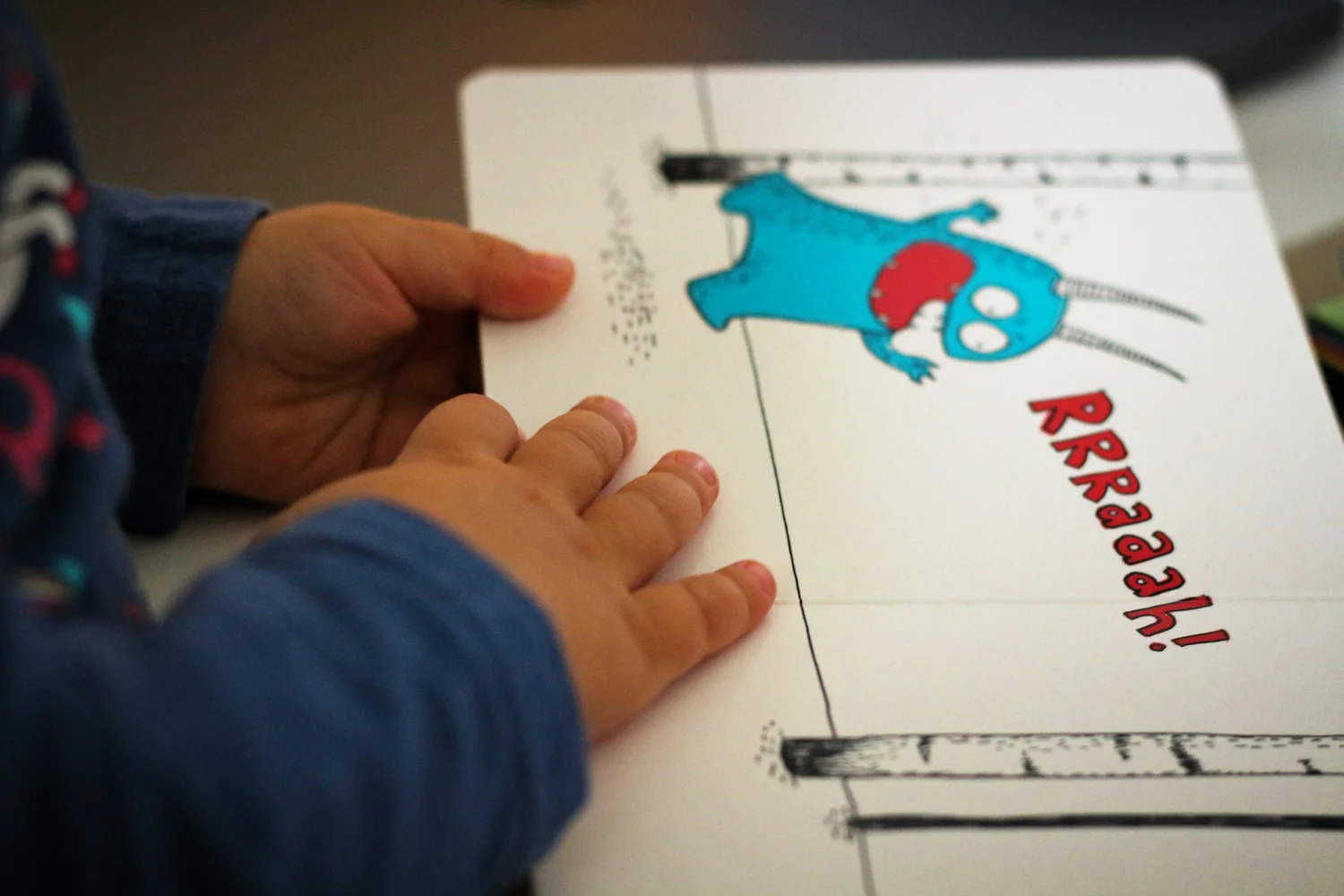
The story
A toddler who stopped looking up
A television that went into hiding, and the afternoon she looked up again. The story names no one; every identifying detail has been changed or left out.
Read about the book
The evidence and the guidance
What the largest studies found, and what to do on Monday
- One study of more than 84,000 children, and where it falls short
- What health authorities in more than forty countries and territories advise
- A plan for the first week with the screens off
- How to ask for an evaluation, and why to keep it even when things improve
Get the book
Three formats. Same 342 pages.
Sold by Amazon, which handles payment and tax. Each store button switches on the day that listing goes live. Prices are US list prices; each Amazon store shows its own local price.
Kindle ebook
$9.99
Read on a phone, a tablet or a Kindle.
Outside the US? Buy the Kindle edition from your own Amazon store: UK · Canada · Australia · India · Germany · France · Spain · Italy · Netherlands · Japan · Brazil · Mexico.
Paperback
$18.99
6 × 9 in, 342 pages, with charts, notes, references and an index.
Hardcover
$27.99
6 × 9 in, case laminate.
Four promises this book keeps
It names no one, promises no miracle, blames no parent, and shows its sources.
It names no one
Every identifying detail in the family story has been changed or left out.
It promises no miracle
Children change for many reasons. The book never claims a cure.
It blames no parent
Screens fill hard days in all kinds of homes. This is a book about what to add, not who to fault.
It shows its sources
More than four hundred references, with the studies’ limits stated alongside their findings.
For PTAs, parent groups and early-years teachers
Bring it to your PTA
Parents and teachers want the same thing: children who talk, play and pay attention. These pages are free, written to be shared, and short enough for one evening.
The four commitments
None before six. After six, a little, slow and shared. Screen-free rooms for the youngest. Ask the question everywhere a young child is seen.
Read the four commitmentsFor parents
Give screens a spot and a time, replace before you remove, and keep the evaluation appointment, whatever you see in the first week.
For parentsFor child-care providers
The standard already exists, and it is on your side. A screen-free day has a shape, and the late afternoon needs a plan.
For child-care providersFor schools and towns
Decide the one ask, put questions in writing, find three other parents, and speak for three minutes with a one-page handout.
For schools and townsBook club questions
For book clubs, parent groups, early-childhood classes and professional reading circles.
Book club questionsGuidelines by country
What health authorities around the world advise for babies and toddlers, side by side.
Guidelines by countryReading it as a group?
Each member can get a copy at any bookstore or borrow one from a library, and the discussion questions are free on this site.
Coming to the shop
Printable pages from the book
The pages the book sends you to, ready to print: for home, for the doctor’s office and for a school board meeting. Each is a PDF in US Letter and A4. All three for $6, or one at a time: $3 for families, $3 for schools and boards, $2 for the room sign. Sold through Lemon Squeezy, which handles payment and any sales tax or VAT.
For families: the screen diary, four questions for your pediatrician, the phone script and the file checklist$3 · Coming soon
For schools and boards: the one-page handout and the question and records-request templates$3 · Coming soon
For classrooms and child care: the sign “This is a screen-free room.”$2 · Coming soon
Questions parents ask
Before you order
Does the book say screens cause autism?
No. Autism is a lifelong, highly heritable difference, and no study has shown that screens cause it. The book is about language, attention and turn-taking in the youngest children, and it says where the research stops.
Is it a medical book?
It is a book for parents, written in plain language, with more than four hundred references. It is not medical advice. If you are concerned about your child’s development, talk to your child’s doctor, and the book shows how to ask for an evaluation.
When can I buy it?
Some formats are on sale now, and the store buttons above show which. Each of the others switches on the day that listing goes live.
Can our PTA or parents’ group read it together?
Yes. The book club questions and the pages for parents, child-care providers, schools and towns are free on this site, and each member can get a copy at any bookstore or borrow one from a library.